Iceland feels like a place that is still being made. Steam rises from the ground in unexpected spots, glaciers sit heavy on the highlands, and the towns stay small enough that you notice the wind more than the traffic. This is a look at the settlements, the geothermal zones, the parks and waterfalls, the ice, and the practical side of moving around, together with the quiet customs that shape daily life here.
Places
Reykjavik is the clear centre. Its harbour side and the older streets near the pond give a sense of scale that stays human, while the outer districts spread into newer housing and industrial edges. Beyond the capital the towns shrink quickly. Akureyri in the north sits at the end of a long fjord and feels more settled, with a small centre that still revolves around the waterfront. Further east the villages along the coast keep a working character, often tied to fishing harbours that empty and fill with the seasons. In the south the settlements near Selfoss or Vik serve as practical stops rather than destinations in themselves. Geothermal areas mark many of these places. The ground around certain towns stays warm enough that pipes carry heat straight into houses, and the outdoor pools become regular gathering points even in winter. Some routes between the main towns follow the ring road, others cut inland across highland tracks that open only in summer and can close again with little warning.
Landscapes
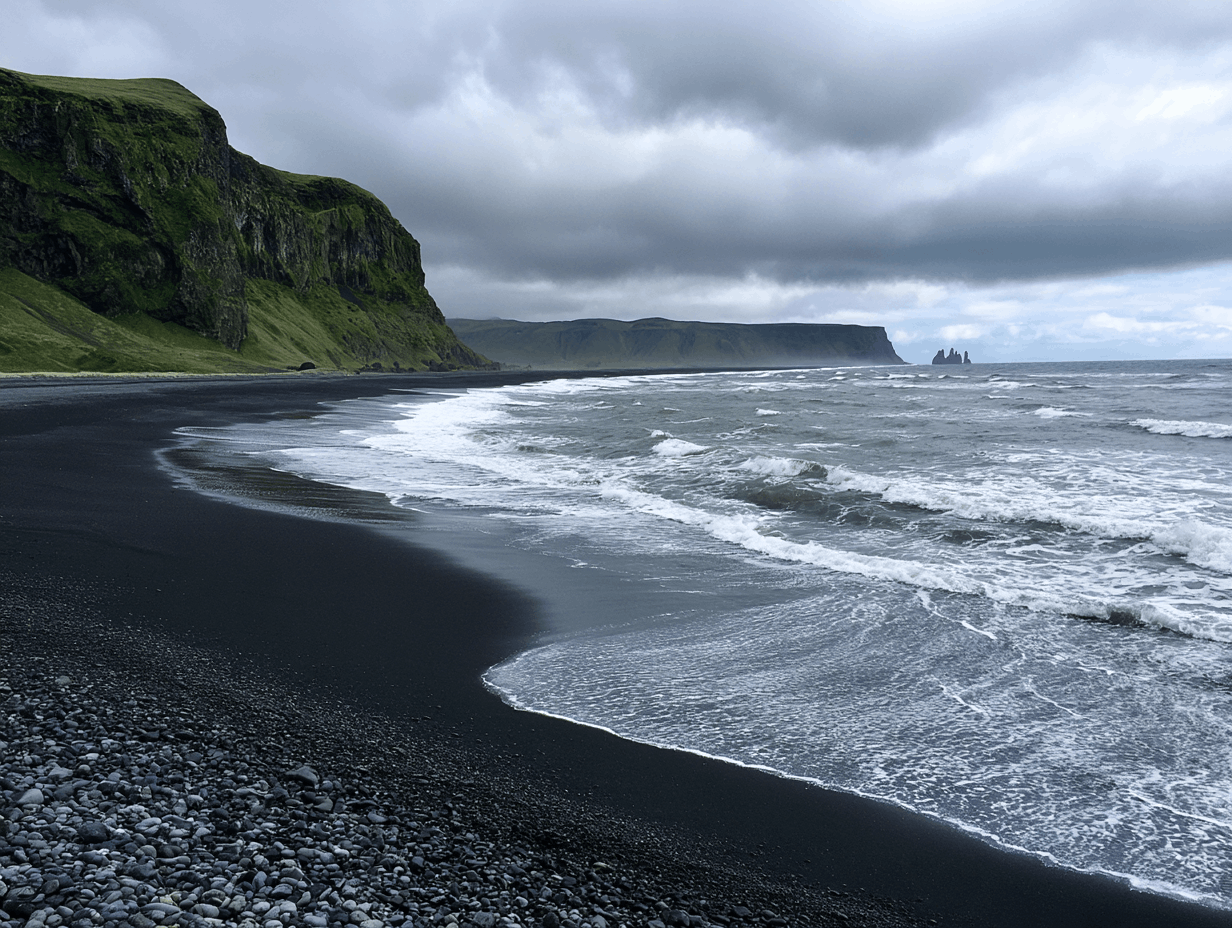
The national parks hold some of the strongest examples of Iceland’s raw surface. Vatnajokull covers a huge stretch of ice and ash, with outlet glaciers that push down into valleys and leave behind dark sand and meltwater lakes. Thingvellir sits in a rift valley where the land itself has pulled apart, creating cliffs and clear water that feel older than the surrounding farms. Waterfalls appear with almost casual frequency. Some drop in single sheets over basalt columns, others spread into wider curtains that change with the rain. The south coast holds several of the more accessible ones, yet quieter falls sit further inland or along less driven roads. Glaciers dominate the higher ground. Their edges are often dirty with volcanic dust, and the ice caves that form in certain seasons can open or collapse within days. Coastal stretches add another layer. Black sand beaches meet steep cliffs, and the light shifts quickly when clouds move across the low sun. Highland areas remain mostly empty outside the short summer window, with tracks that cross lava fields and river fords that need care.
Cultures
Local customs tend to be understated. People keep to themselves on buses and in shops, yet help arrives quickly if a car gets stuck or the weather turns. Swimming pools are social spaces more than exercise venues, and the hot pots often become places for quiet conversation. Food stays practical. Lamb, fish and dairy form the base of many meals, and the small bakeries in towns still turn out fresh bread that disappears by afternoon. Festivals are few and mostly tied to the calendar of light and dark, with midwinter gatherings that feel more community than spectacle. Practical travel insights matter here more than in many other places. Weather changes fast, roads can close without much notice, and fuel stops are spaced further apart once you leave the southwest. Mobile signal is reliable in most towns but fades in the highlands. The language is complex, yet English is widely spoken and a few basic phrases still open warmer responses. What often surprises visitors is how ordinary life continues around the dramatic scenery. People go to work, pick up children, and stop for coffee while the landscape outside the window looks like it belongs to another planet.
Iceland does not unfold in neat chapters. The towns give a human scale, the landscapes push the extremes of fire and ice, and the customs keep daily life steady between them. Moving through all three usually leaves a clearer sense of how the place holds together.
Leave your email if you would like occasional notes about new stories and quiet destinations.
No frequent messages, just the ones worth reading.
© 2026 Unravel PLC LLC. All rights reserved.
