zyvct-9d3bf6-3fd60d
Japan opens up slowly if you give it time. Most people arrive with a checklist of famous spots, but the real story sits in the layers between the big cities, the quiet side streets, the volcanic slopes and the small daily habits that locals barely notice. This is an attempt to unravel the country through places, landscapes and cultures without turning it into another list of must-sees.
Places
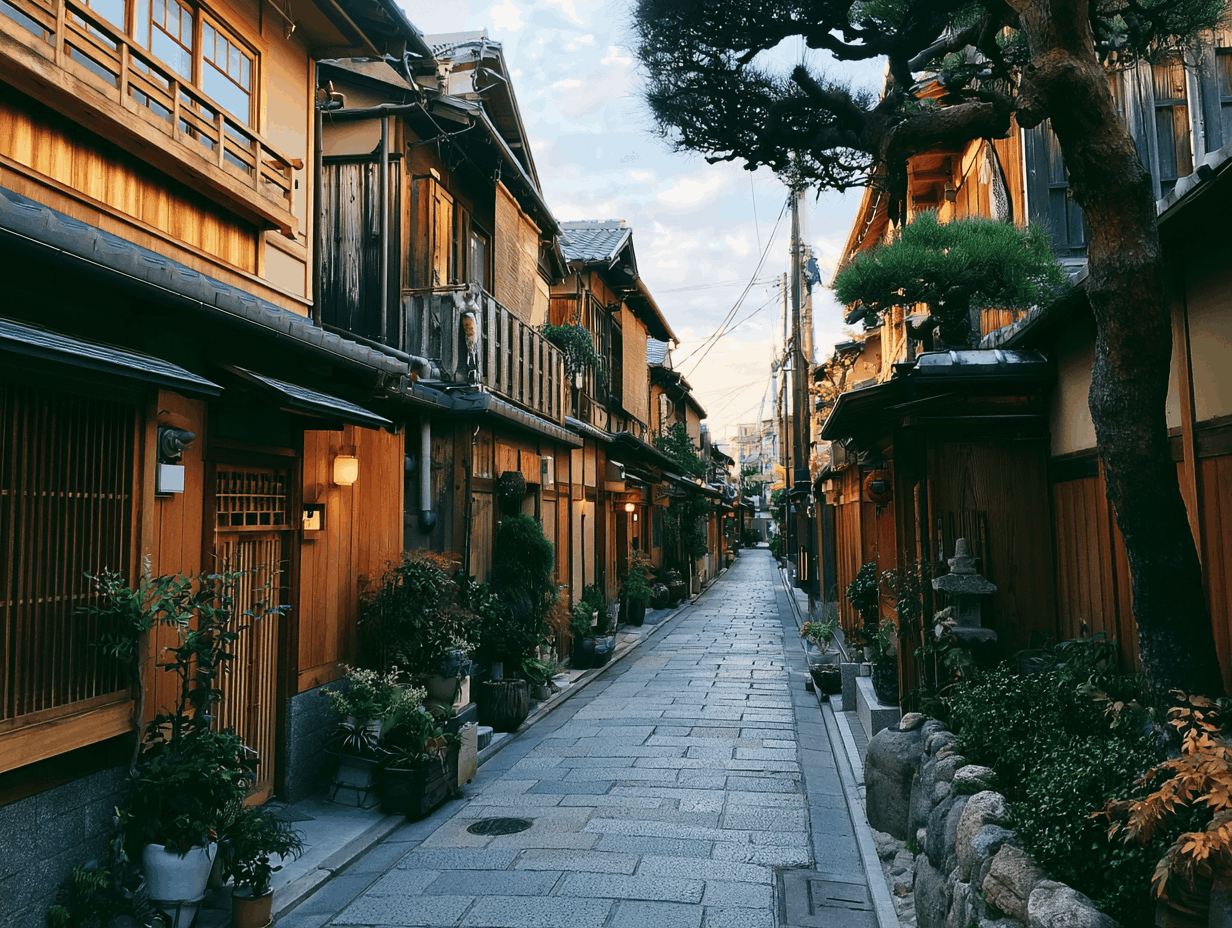
Tokyo feels endless at first. The main stations and the neon corners of Shinjuku pull everyone in, yet a short train ride can drop you into neighbourhoods where the streets are still narrow and the shops open only when the owner feels like it. Yanaka keeps its old wooden houses and small temples, while Shimokitazawa mixes second-hand stores with tiny cafes that seem to change every season. Kyoto is different. The historic core around Gion and the temple districts still carries the weight of centuries, but the quieter parts near Arashiyama or the northern hills feel almost empty once you leave the main paths. Osaka moves faster. Its streets are louder, the food stalls denser, and the local pride shows in every conversation about which okonomiyaki place is better. Further north, Kanazawa offers a more measured pace with its preserved samurai districts and garden that somehow stays calm even when visitors arrive. Hokkaido’s cities, especially Sapporo, feel open and practical, built around the seasons rather than history alone. The routes between these places matter too. The coastal road along the Sea of Japan or the slower trains through the Japanese Alps show how the country shifts from dense urban grids to open farmland in less than an hour.
Landscapes
Japan’s nature rarely stays in the background. The national parks hold some of the clearest examples. Shiretoko in Hokkaido stays wild enough that brown bears still roam near the coast, and the cliffs drop straight into cold water. Further south, the Japanese Alps around Kamikochi give long valley walks with clear rivers and peaks that hold snow well into summer. Volcanoes shape a lot of the scenery. Mount Fuji is the obvious one, but the active peaks on Kyushu and the quieter calderas in Hokkaido create landscapes that feel unfinished. Lakes sit in many of these volcanic bowls. Lake Towada in Aomori has deep blue water and forested shores that stay quiet even in peak season, while Lake Biwa near Kyoto is large enough to feel like an inland sea. Coastal areas add another layer. The rias of the Sanriku coast still show the marks of past tsunamis, yet the inlets remain full of small fishing harbours. On the other side of the country, the cliffs and sea caves of the Noto Peninsula or the black sand beaches of Izu feel completely different under the same sky. Mountain trails connect many of these spots. Some are well maintained, others little more than dirt paths that disappear under snow for half the year.
Cultures
Everyday rules matter more than most guidebooks admit. Bowing still happens, though the depth and length depend on the situation, and removing shoes indoors is non-negotiable in almost every private space. People wait quietly in lines and keep their voices low on public transport, habits that can feel strict until you realise how much smoother everything moves because of them. Food is where the culture becomes easiest to touch. A simple bowl of ramen in a small shop can tell you more about a neighbourhood than any temple, and the seasonal focus means the same dish changes completely between spring and autumn. Local festivals keep older traditions alive without turning them into pure performance. Summer matsuri bring portable shrines through the streets, drums and all, while winter events in the north often centre around snow and fire. What surprises many visitors is how much of daily life still revolves around small courtesies. Convenience stores stay open late and stock almost everything, yet the staff will still carefully place your change on a tray. Public spaces stay clean not because of constant surveillance but because people treat them as shared. The language barrier is real, yet a few basic phrases and a willingness to point and smile usually open more doors than expected.
Japan does not reveal itself all at once. The cities give you density and history, the landscapes offer scale and silence, and the cultural habits fill the gaps between them. Take the time to move between the three and the country starts to make a different kind of sense.
Leave your email if you would like occasional notes about new stories and quiet destinations.
No frequent messages, just the ones worth reading.
© 2026 Unravel PLC LLC. All rights reserved.
