jrlao-5ad848-3428d0
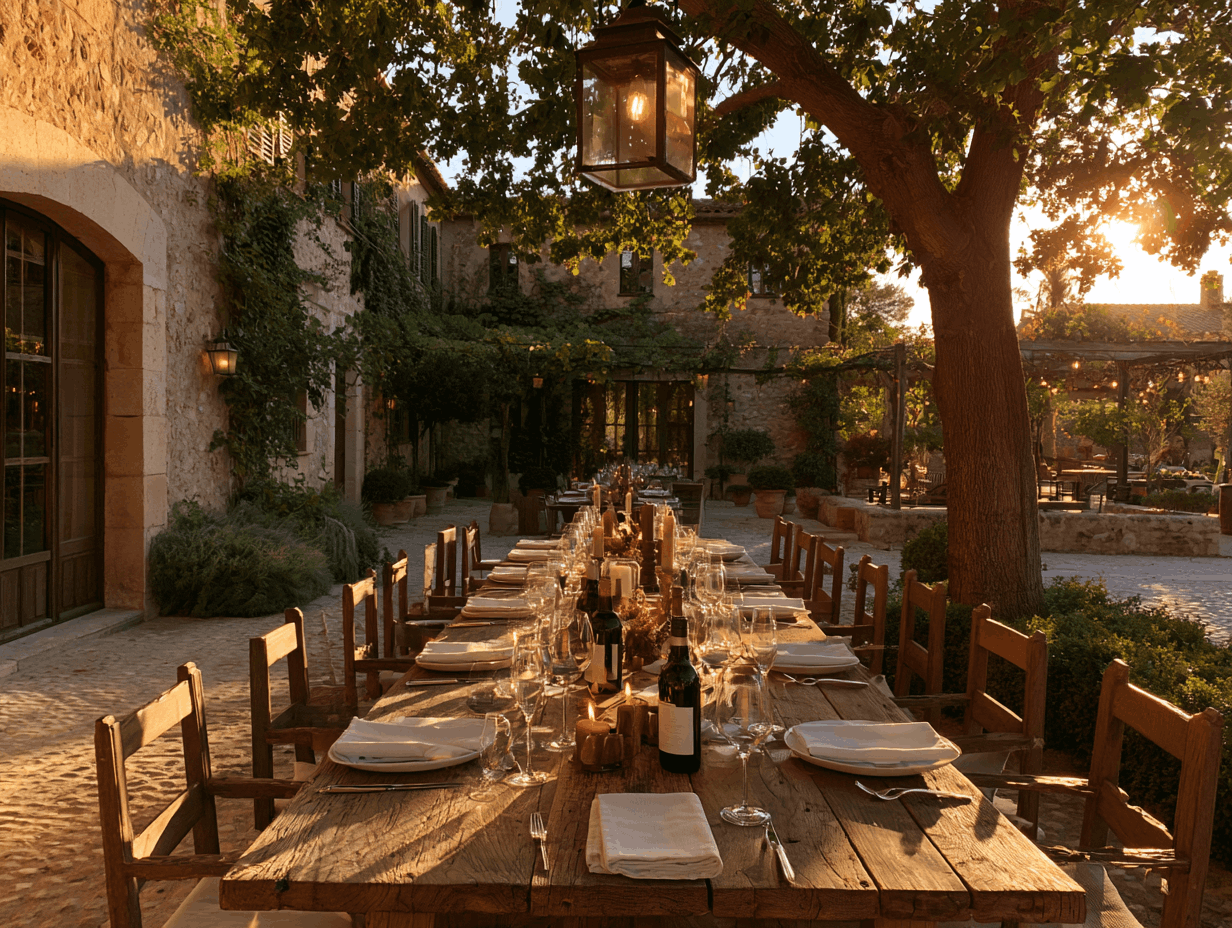
Unravel the seasonal side of Spain and the larger monuments step back. Regional festivals, local markets and the long meals that stretch across tables show more of how people mark the year than any single landmark. This piece stays with those repeated gatherings, the markets that supply them, and the habits of sharing food that still shape the calendar in different parts of the country.
Places
Festivals appear across the map with their own local character. In the north some celebrations centre on fire and the turning of the seasons, with processions that move through narrow streets and finish around shared pots. Further south the dates often link to harvest or religious calendars, and the plazas fill with music that stays close to the neighbourhood rather than a large stage. Markets form the practical backbone. They open early on set days and supply the ingredients that later appear on the long tables, from fresh vegetables and cheeses to the cuts of meat that go into stews cooked for a crowd. Smaller towns keep these markets intimate, with sellers who recognise regulars and the same stalls returning each week. In larger cities the markets still feed the festival days, though the scale grows and the pace quickens. The places themselves matter. A village square or a covered market hall becomes the temporary centre, and the same space returns to ordinary use once the date has passed.
Landscapes
The setting for these gatherings shifts with the region and the time of year. Coastal areas often hold celebrations near the water, with tables set under simple awnings and the air carrying the smell of grilled fish. Inland the festivals may take place in open fields or on the edges of towns where the land itself supplies the reason for the date. Mountain regions add another layer. The cooler air and the shorter season concentrate the events into clearer windows, and the paths that lead to the gathering points stay in use long after the day ends. Markets reflect the same ground. Produce changes with the slopes and the rainfall, so the same type of celebration can taste different from one valley to the next. The light and the temperature shape the timing more than any printed schedule. Summer events stretch into the night, while winter ones gather people closer and finish earlier when the cold settles in.
Cultures
The culture of the shared table remains one of the strongest threads. Meals during festival days rarely stay short. Courses arrive slowly, conversation fills the gaps, and the same dishes that appear in daily life are simply made in larger quantities. Local habits around inviting and joining stay open. A place at the table can appear without much formality, and the expectation is that people will linger rather than rush. Greeting and thanks still matter, and a willingness to accept what is offered usually opens more of the rhythm than any detailed knowledge of the customs. What frequently surprises visitors is how ordinary the large gatherings feel to the people who organise them. The same hands that prepare the food also return to work the next day, and the decorations come down without much ceremony. The distinction between special occasion and everyday life stays thinner than it first appears.
These festivals and shared tables do not present themselves as spectacles. They simply continue as the way people mark time together. The places give the gathering points, the surrounding land supplies the ingredients, and the cultural habits keep the meals long and the invitations open. Spending time among them usually leaves a clearer sense of the country that exists between the better known dates on the calendar.
Leave your email if you would like occasional notes about new stories and quiet destinations.
No frequent messages, just the ones worth reading.
© 2026 Unravel PLC LLC. All rights reserved.
